

How To Choose The Right Wound Care Products
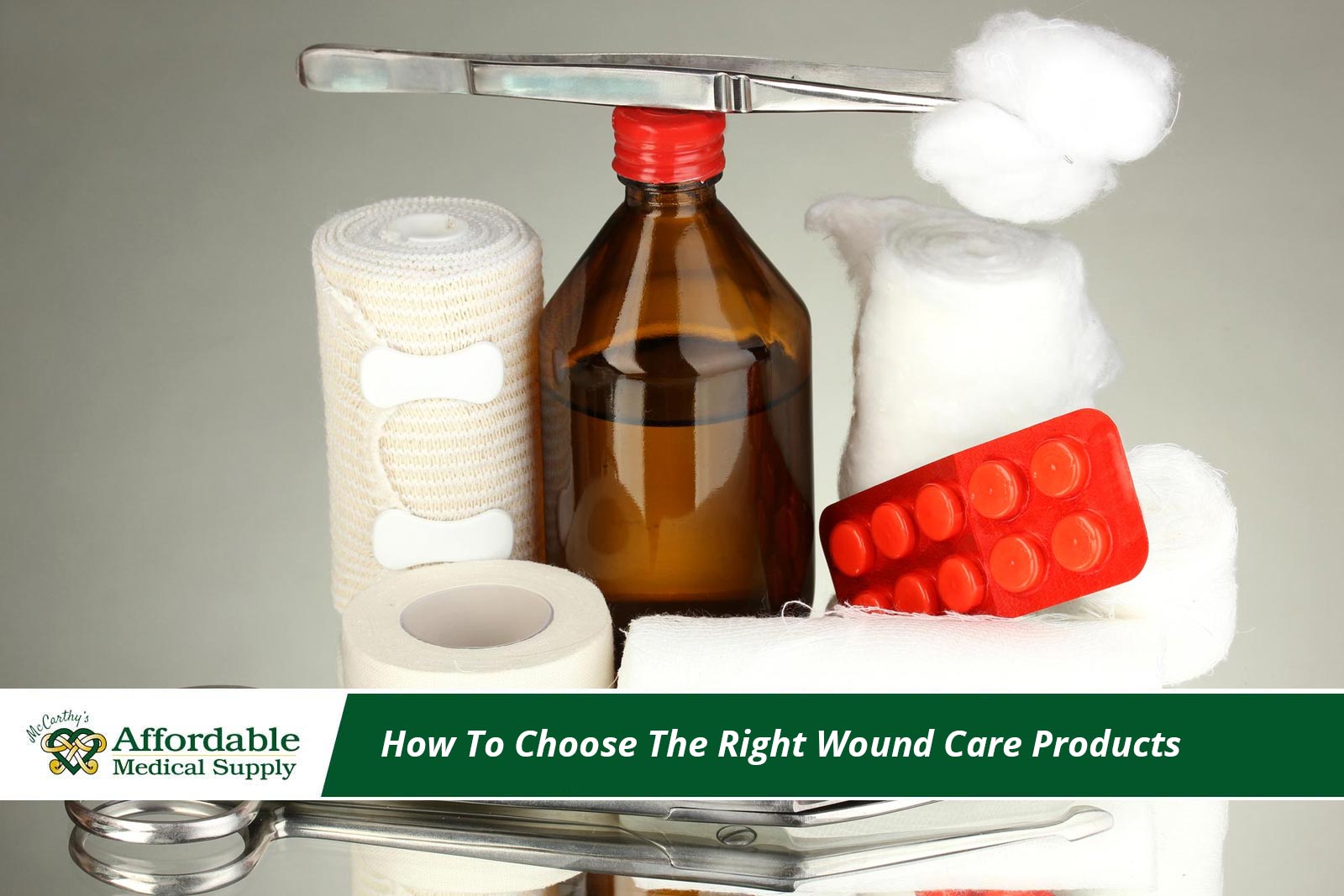
Many individuals underestimate how much the right wound care products affect wound healing and recovery. Whether you have a minor scrape or a surgical incision, choosing the correct dressing and wound care supplies can speed healing, reduce pain, and prevent infection, all of which lower the risk of complications.
With all the wound care products available today, it is understandable that individuals are confused about which products should be used. Different wounds require a different approach, and using the wrong product can actually delay healing and even worsen the wound.
Having an understanding of the different types of wounds and the appropriate products to facilitate healing will make a major difference in how quickly and safely the wound heals.

The Importance of Choosing The Right Wound Care Product
Not all wound care products work the same way. Different wounds have different levels of moisture, depth, and infection risk. Choosing the wrong product can make the wound worse, delay healing, or introduce infection. In some cases, even a small wound can have serious implications if not treated correctly.
Individuals who are vulnerable to non-healing wounds and infection include:
- Diabetics
- Patients recovering from surgery
- People with circulatory problems
- Individuals with a compromised immune system
- Older adults
- Smokers
- Individuals who are malnourished
- Individuals who are obese
The right wound care products will:
- Protect the wound from contamination and bacteria
- Reduce pain and inflammation
- Support tissue regeneration
- Manage exudate appropriately
- Minimize scarring
Different Types Of Wounds
Not all wounds are the same. To choose the right product to heal the wound, you need to understand the wound category.
Wounds can be broken up into various categories, including:
- Acute Wounds
- Chronic wounds
- Surgical wounds
- Burns
Acute Wounds
Acute wounds happen suddenly and generally heal within a predictable time with proper care.
Some examples of acute wounds include:
- Cuts
- Abrasions – Superficial wounds caused by friction against the skin
- Minor burns
Chronic Wounds
Chronic wounds are wounds that heal slowly and often fail to heal completely. This category of wounds requires specialized dressings and ongoing professional monitoring.
Examples of chronic wounds may include:
- Diabetic ulcers – usually occurring on the lower limbs and require advanced wound care products
- Pressure ulcers caused by unrelieved pressure, usually in people with limited Mobility
- Venus leg ulcers usually occur in individuals with poor circulation
- Non-healing surgical wounds
Surgical Wounds
Surgical wounds are intentional incisions created during a medical procedure. These wounds require protection against infection and wound care that supports tissue healing.
Burns
Burn wounds very in severity and often require moisture-balancing wound care supplies. While minor burns can be treated with over-the-counter medication, deeper burns are very susceptible to infection if not treated appropriately. Wound supplies for a burn wound are designed to soothe the skin while preventing infection.
Categories Of Wound Care Products
There are many types of wound care products available, each designed for a specific wound need. Sending the right product will create the optimal healing condition.
Factors affecting wound care product selection include:
- Wound size
- Wound depth
- Amount of drainage or exudate
- Whether the wound is infected or not
- The surrounding skin condition
- The location of the wound
- Patient comorbidities
Categories of wound care products include:
- Dressings
- Antimicrobial product
- Wound cleansers
Dressings
Dressings are designed to protect wounds and support healing. There are different types of dressings, each performing a different function.
Foam Dressings
These dressings cushion the wound while absorbing moderate to heavy drainage.
These types of dressings are mainly used on:
- Surgical wounds
- Pressure ulcers
- Wounds with a moderate amount of exudate
Hydrocolloid Dressings
These dressings protect against bacteria while assisting in maintaining a moist healing environment.
This type of dressing is ideal for:
- Superficial ulcers
- Minor burns
- Wounds that have light drainage or exudate
Alginate Dressings
These highly absorbent dressings are designed for:
- Wounds containing large amounts of drainage or exudate
- Wounds that are actively bleeding
- Deep wounds
Gauze Dressings
This traditional dressing is used for very basic wound coverage, and it is best used on minor injuries that require short-term protection.
Transparent Film
Usually applied to superficial wounds and skin tears, this dressing provides a thin, waterproof barrier that allows the wound to be visualized. This dressing can be left undisturbed for a number of days.
Antimicrobial Products
Used on wounds that have a higher risk of infection, these products help to reduce bacterial growth, thereby lowering the risk of infection.
Common antimicrobial products include:
- Iodine
- Silver
Antimicrobial wound care products should be used appropriately and not unnecessarily. Using antimicrobial products may be appropriate when:
- The risk of infection is high, e.g., in diabetics or individuals with compromised circulation
- Wounds that are taking very long to heal
- Wounds where there is an increase in drainage
- Wounds where a bacterial infection is suspected
Wound Cleansers
To ensure proper wound healing and reduce the risk of infection, proper wound cleaning is essential.
Wound cleansers help to:
- Remove debris
- Prevent contamination
- Prepare the wound for the application of the appropriate antimicrobial and dressing
What Are The Signs Of Wound Infection?
It is essential to seek medical attention if your wound is not healing or is showing any signs of infection. Any worsening symptoms need to be evaluated promptly.
Common signs of infection include:
- Redness and swelling
- Increased level of pain
- Warmth around the wound
- Any unusual drainage, especially pus
- Blackened tissue
- Foul odor
- Fever
Guidelines For Wound Care
When doing wound care, you need to use a clean technique. To prevent contamination and facilitate wound healing, the following basic guidelines should be adhered to:
- Wound care must be done regularly. Depending on the type of wound and the medical professionals’ advice, you may need to change the dressing daily or as prescribed.
- Ensure you wash your hands thoroughly, with soap and water, before starting wound care. Wear clean gloves if available/appropriate.
- Gather all the necessary supplies and ensure the work surface is clean and dry. Check expiry dates on all supplies; do not use if the package has been tampered with or the product has expired.
- Remove the old dressing and take note of the amount of exudate, any foul odor, or any signs of infection. Report any signs of infection to a medical professional.
- Cleanse the wound gently using the appropriate wound cleanser or antiseptic solution.
- Apply the appropriate antimicrobial if necessary and cover the wound with the appropriate dressing.
Quality Wound Care Products At Affordable Medical Supply
The team at Affordable Medical Supply understands that wound healing is not a one-size-fits-all solution. Every wound is different, and only the right wound care products can make a significant difference in comfort, the speed of wound healing, and the overall outcome.
Trained in wound care management, our team helps individuals and caregivers find the right wound care product designed to support safe and effective healing. Whether you are looking for basic dressings or advanced wound care supplies, the expertise and knowledgeable guidance from someone who understands wound care management can make purchasing the supplies less stressful and more successful.
For all your wound care supplies, contact the team at Affordable Medical Supply at 866-484-7599 today.